Are you an avid baker who suddenly finds yourself out of eggs? Or perhaps you’re exploring egg-free or vegan baking due to dietary restrictions, allergies, or lifestyle choices? Whatever your reason, navigating the world of egg substitutes in baking can seem daunting, but it doesn’t have to be. This comprehensive guide will equip you with the knowledge and practical tips to successfully substitute eggs in your favorite recipes, ensuring your baked goods still turn out delicious and satisfying.
Mastering Egg Substitutes for Delicious Baking
Whether you’re facing an unexpected shortage of eggs in your pantry or consciously embracing an egg-free lifestyle, understanding how to effectively substitute eggs in baking is an invaluable skill. While I, like many traditional bakers, appreciate the magic of eggs, there are countless occasions when a reliable alternative becomes essential. This guide is crafted to demystify the process, offering practical solutions for everyone from seasoned chefs to enthusiastic home bakers just starting their egg-free journey.
Unpacking the Multifaceted Role of Eggs in Baking
Before we delve into specific substitutes, it’s crucial to understand why eggs are such a staple in baking. They’re not just an ingredient; they’re multifunctional powerhouses that contribute significantly to the texture, structure, and overall success of almost any baked good. Primarily, eggs perform four vital functions:
- Binding (Structure): Eggs act as a natural glue, holding ingredients together and preventing baked goods from crumbling. The proteins in eggs coagulate when heated, creating a stable internal structure that gives cakes, cookies, and breads their shape and integrity. Without this binding agent, your creations might fall apart or become excessively crumbly.
- Leavening (Rise): When beaten, eggs trap tiny air bubbles, and as these bubbles heat up in the oven, they expand, causing batters and doughs to rise. This is particularly evident in recipes like soufflés, meringues, and certain types of cakes. Eggs also work synergistically with chemical leavening agents like baking powder and baking soda to contribute to a lighter, airier, and more tender crumb.
- Moisture: Eggs contribute essential liquid to baked goods, preventing them from becoming dry and dense. The water content in eggs helps to create a tender crumb and a moist mouthfeel, which is highly desirable in most desserts, from muffins to quick breads.
- Flavor and Richness: While often subtle, eggs add a distinct richness, depth, and umami to many baked goods. The fat in the yolk, in particular, enhances overall flavor perception and contributes to a creamy texture, as well as promoting a beautiful golden-brown color in crusts and crumbs through the Maillard reaction.
Understanding these distinct roles will empower you to choose the most appropriate substitute for your specific baking needs, as different alternatives excel at different functions.
Setting Realistic Expectations: Navigating Changes with Egg Substitutes
It’s important to approach egg substitution with realistic expectations. While many excellent substitutes exist, no single ingredient can perfectly replicate all the complex functions of an egg. Therefore, you should anticipate some differences in your final product. These might include:
- Texture Variations: Baked goods might be slightly denser, chewier, or sometimes more crumbly than their egg-laden counterparts. For instance, a cake might not achieve the same light and fluffy volume, or cookies might spread differently. The internal crumb structure can also change, becoming tighter or less uniform.
- Appearance Alterations: The color might be less golden-brown, and the rise might not be as dramatic. Some substitutes can also impart a slight hue to the finished product, such as flax seeds adding a darker tint.
- Flavor Nuances: Depending on the substitute used, there might be a subtle or even noticeable change in flavor. It’s crucial to select a substitute whose flavor profile either complements your recipe’s existing notes or is neutral enough to go unnoticed.
A general rule of thumb for successful egg substitution is to start with recipes that call for only one or two eggs. The more eggs a recipe requires, the more challenging it becomes to find a substitute that can adequately perform all necessary functions without drastically altering the outcome. For recipes heavily reliant on eggs, such as custards, meringues, or quiches, it’s often best to seek out recipes specifically developed to be egg-free rather than attempting a direct substitution.
Experimentation is key in egg-free baking. Don’t be discouraged if your first attempt isn’t perfect. Keep notes on what worked and what didn’t, and adjust quantities or try different substitutes accordingly. Over time, you’ll discover which alternatives work best for your favorite recipes and your desired results. Patience and a willingness to learn are your best ingredients!
Your Essential Guide to Common Egg Substitutions in Baking
With a wide array of options available, let’s explore the most popular and generally successful egg substitutes that many bakers, both traditional and egg-free, turn to. These options are often readily available in your pantry and provide reliable results for various baking applications.
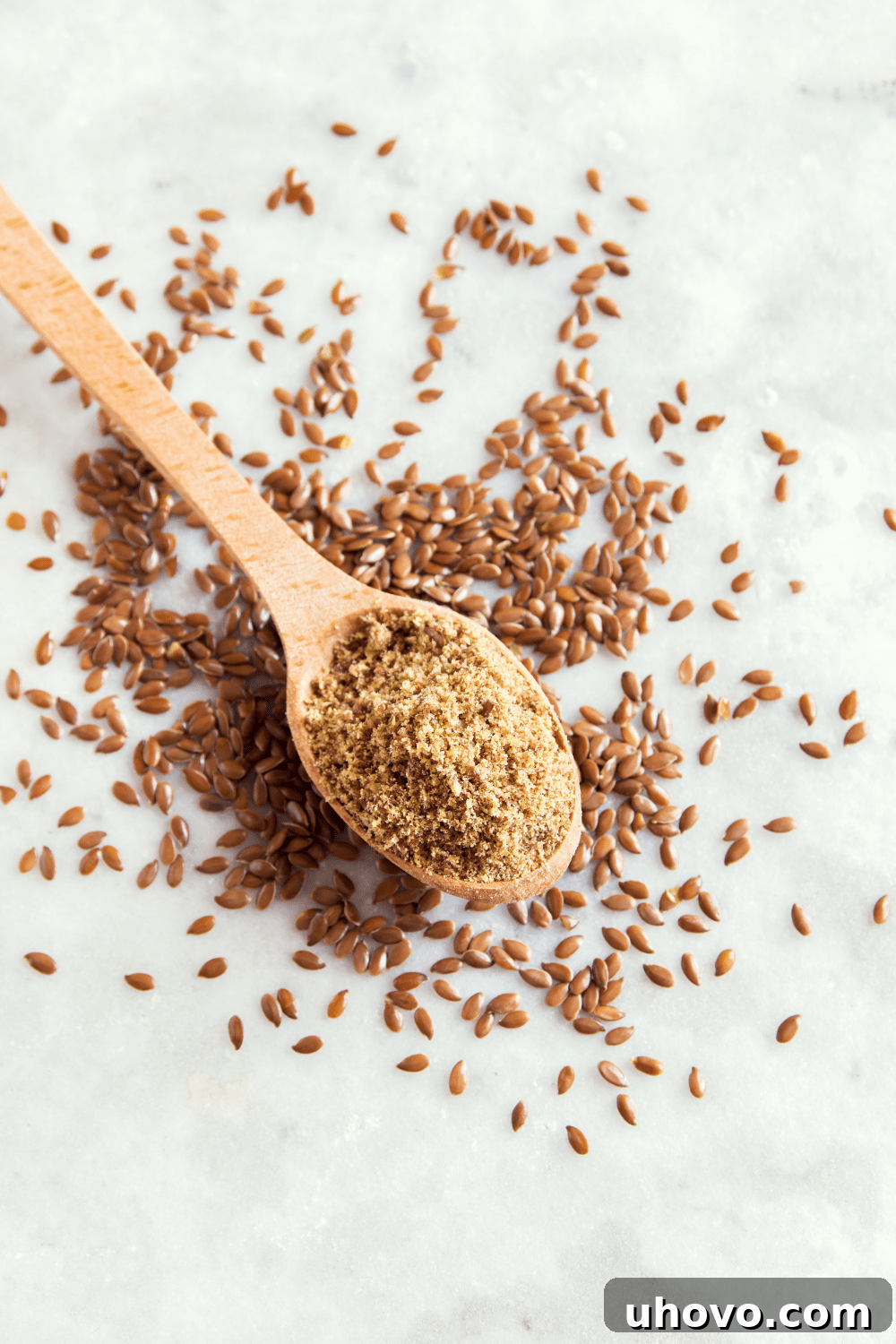
1. Flax Eggs and Chia Eggs (The “Vegan Egg” for Binding)
Ground flax seeds and chia seeds have become foundational in egg-free and vegan baking. When mixed with water, they create a viscous, gel-like mixture often referred to as a “flax egg” or “chia egg,” effectively mimicking the binding properties of an actual egg.
How to Make a Flax or Chia Egg: For each egg you need to substitute, combine 1 tablespoon of finely ground flax seeds or chia seeds with 3 tablespoons of warm water. Stir well and let the mixture sit for 5-15 minutes. During this time, the ground seeds will absorb the water, swell, and create a thick, gelatinous consistency similar to beaten egg whites. It’s essential to use ground seeds; whole seeds will not absorb enough water to create the binding gel and will leave an undesirable crunchy texture in your baked goods. A coffee grinder or spice grinder works perfectly for grinding whole flax seeds.
When to Use Them: Flax and chia eggs are exceptional binders and add valuable moisture, making them ideal for recipes where eggs primarily serve these structural functions, rather than significant leavening. They perform exceptionally well in dense baked goods such as cookies, brownies, muffins, quick breads, pancakes, and even some sturdy cakes. They contribute to a tender crumb and help hold the structure together effectively, preventing crumbling.
Potential Drawbacks and Considerations:
- Flavor: Ground flax seeds can impart a slightly nutty, earthy flavor, which can be a delicious addition to some recipes (like whole-grain muffins or rustic breads) but might be noticeable or unwanted in more delicately flavored baked goods. Chia seeds have a somewhat milder flavor profile, making them a slightly more versatile choice if flavor alteration is a concern.
- Texture: Baked goods made with flax or chia eggs can sometimes be denser and heavier than those made with conventional eggs. This is primarily because they lack the significant leavening power that eggs provide. They are generally not recommended for recipes that rely heavily on eggs for a light, airy rise, such as meringues, soufflés, or angel food cakes.
- Appearance: The dark color of ground flax seeds can slightly tint lighter batters, giving them a speckled appearance, which may or may not be desired.
For best results, always use freshly ground seeds. You can grind whole flax seeds in a coffee grinder or spice grinder, or purchase pre-ground flaxseed meal. Store ground seeds in the refrigerator or freezer to prevent them from going rancid, which can affect flavor.
2. Aquafaba (The Vegan Miracle for Lightness)
Aquafaba, a term derived from Latin meaning “bean water,” is simply the viscous liquid found in a can of chickpeas (or other legumes) or the cooking water leftover from boiling them. This liquid possesses surprisingly similar emulsifying and foaming properties to egg whites, making it a revolutionary ingredient in vegan baking, particularly for lighter textures.
How to Use Aquafaba: For each whole egg you need to substitute, use 3 tablespoons of aquafaba. If you’re replacing just egg whites, use 2 tablespoons. For recipes requiring simple binding, you’ll want to lightly whip the aquafaba until it becomes foamy. For applications like meringues or macarons, it needs to be whipped vigorously, just like egg whites, using an electric mixer until stiff, glossy peaks form. This can take longer than whipping egg whites.
When to Use It: Aquafaba truly shines in recipes where eggs provide lightness, aeration, and emulsification. It’s an incredible substitute for egg whites in meringues, macarons, light and airy cakes, and whipped toppings. It can also be successfully used for binding and adding a lighter, more tender texture in certain cookies, cakes, and even vegan mayonnaise or marshmallows. Its ability to create stable foams makes it highly versatile for delicate structures.
Potential Drawbacks and Considerations:
- Availability: While chickpeas are common, aquafaba might not be something you always have on hand unless you frequently use canned chickpeas. However, you can easily save and freeze aquafaba in ice cube trays for future use, making it a convenient option over time.
- Flavor: While largely neutral, some sensitive palates might detect a faint bean-like undertone, especially in recipes with very delicate flavors. This is generally not an issue in spiced, chocolate-based, or strongly flavored baked goods.
- Consistency: The consistency of aquafaba can vary significantly between brands of canned chickpeas. If your aquafaba seems too thin and watery, you can gently reduce it over low heat on the stovetop until it thickens slightly, aiming for a consistency similar to egg white. This concentration step is crucial for achieving stable foams.
- Salt Content: Be mindful of the salt content in your canned chickpeas, as this could impact the overall flavor balance of your baked goods. Opt for low-sodium or unsalted varieties if possible to maintain better control over your recipe’s seasoning.
Aquafaba is a fantastic option for those aiming for lighter, fluffier results in egg-free baking, especially when replicating recipes traditionally reliant on whipped egg whites.
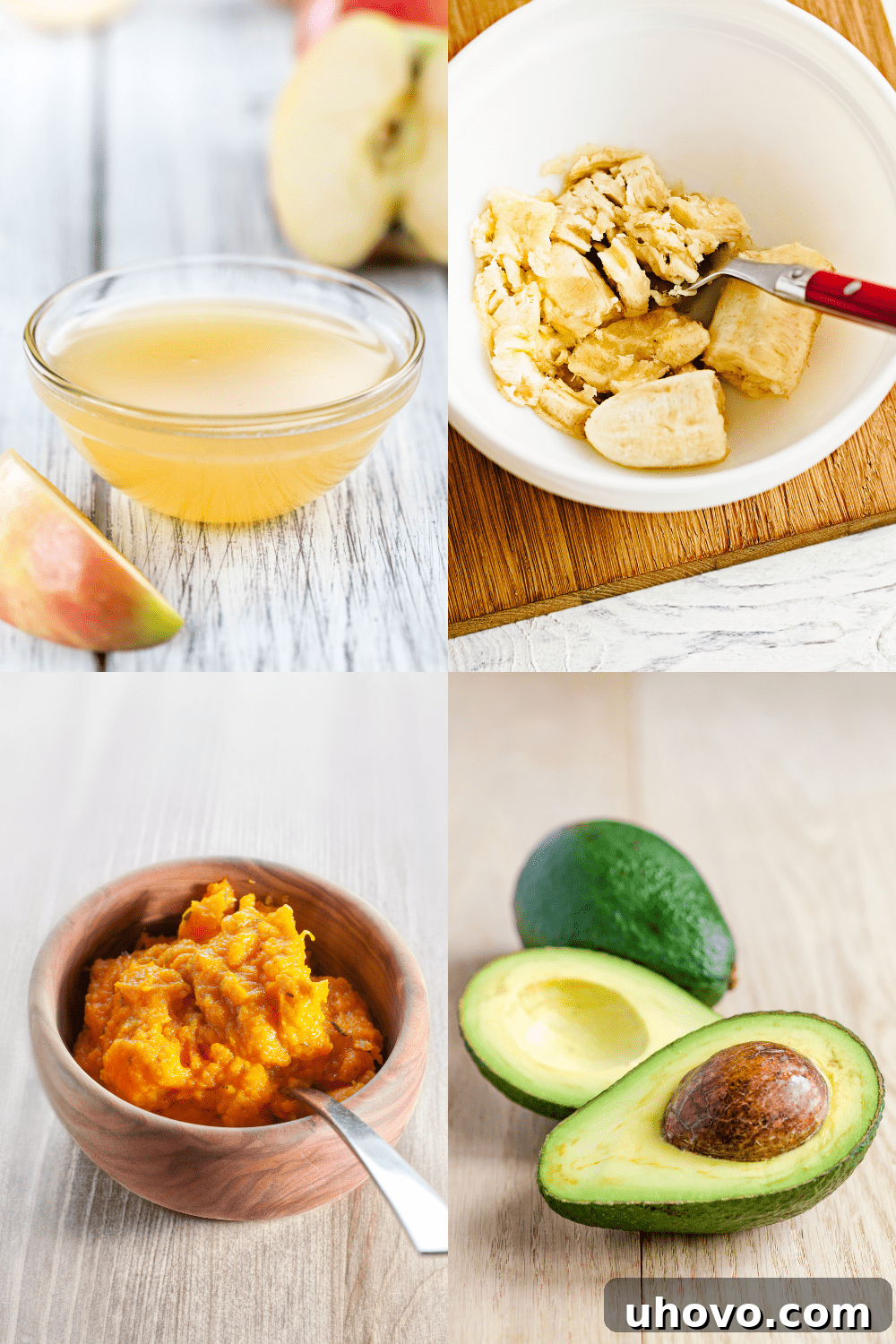
3. Fruit and Vegetable Purees (The Natural Moisturizers)
Mashed fruits and vegetables are classic, wholesome egg substitutes, renowned for adding significant moisture, natural sweetness, and binding capabilities to baked goods. Common choices include mashed ripe bananas, unsweetened applesauce, pureed pumpkin, mashed avocado, and even cooked sweet potato or squash puree.
How to Make a Puree Substitute: For each egg to be substituted, use 1/4 cup (approximately 60 grams) of smooth, well-blended puree. It’s essential to ensure the puree is free of lumps for the best texture and even distribution in your final product. For mashed banana or avocado, ensure they are very ripe to achieve the desired consistency and sweetness.
When to Use Them: These purees are best suited for baked goods where moisture and binding are the primary roles of the egg. They work wonderfully in dense, moist items such as quick breads, muffins, cookies, brownies, and spice cakes. They can also provide a subtle natural sweetness, which might allow you to slightly reduce the added sugar in your recipe. If some leavening is also needed, you can experiment by adding a tiny pinch (e.g., 1/4 teaspoon) of baking powder along with the puree to help with lift.
Potential Drawbacks and Considerations:
- Flavor Impartation: The most significant consideration is flavor. Bananas, applesauce, pumpkin, and avocado all have distinct tastes that will transfer to your baked goods. While this can be a delicious enhancement (e.g., banana bread, pumpkin muffins), it might not be desirable in recipes with delicate or neutral flavors where you want the original taste to shine through. Always choose a puree whose flavor profile genuinely complements the existing flavors of your recipe.
- Sweetness Adjustment: If using sweetened applesauce or very ripe bananas, you might need to slightly reduce the sugar content in your recipe to avoid an overly sweet result. Opt for unsweetened purees whenever possible to maintain better control over the sweetness level.
- Color and Density: Some purees, like pumpkin or avocado, can impart a slight color to your finished product. They primarily add moisture and density, not aeration, so baked goods might be a bit heavier and less airy than those made with eggs.
When selecting a fruit or vegetable puree, ensure it is smooth and consistent. Overly watery purees can throw off the liquid balance of your recipe, so drain any excess liquid if necessary, especially for homemade purees.
4. Silken Tofu (The Neutral Binder for Richness)
Silken tofu, known for its high water content and soft, custard-like consistency, is another versatile egg substitute, especially effective in recipes requiring a creamy texture and good binding without adding a distinct flavor.
How to Make a Silken Tofu Substitute: For each egg you need to replace, use 1/4 cup (approximately 60 grams) of silken tofu. It’s crucial to blend, mash, or whip the tofu until it’s completely smooth and creamy, with no lumps, before incorporating it into your batter. A food processor or blender works best for achieving a perfectly smooth consistency. This ensures an even distribution and prevents a grainy or curdled texture in your finished product.
When to Use It: Silken tofu works exceptionally well in baked goods that are naturally dense and moist, where eggs primarily serve as a binder and provide richness, but not necessarily significant leavening. Think rich brownies, hearty quick breads, some robust cakes, and even creamy pies, custards, or cheesecakes. Its relatively neutral flavor makes it an excellent choice when you want to avoid altering the taste of your recipe, allowing other flavors to dominate.
Potential Drawbacks and Considerations:
- Lack of Leavening: Silken tofu provides no leavening power whatsoever. If your recipe relies on eggs for rise, using tofu alone will result in a very dense and heavy baked good. You might need to experiment with adding extra leavening agents, such as 1/2 teaspoon of baking soda or baking powder, to compensate, especially in recipes that don’t already contain other leaveners.
- Texture: While it provides excellent binding and moisture, the texture might be slightly denser and less “springy” than egg-bound baked goods. It can also create a slightly “heavier” mouthfeel.
- Moisture Balance: Given its high water content, be mindful of the overall liquid balance of your recipe. If your batter appears too wet after adding the tofu, you might need to slightly reduce other liquid ingredients to achieve the correct consistency.
Silken tofu is a great option for those who enjoy experimenting with different textures in their egg-free baking and want a neutral-flavored binder that contributes to richness and moisture.
5. Commercial Egg Replacers (The Convenient All-Rounders)
For those seeking a convenient and often reliable solution, commercial egg replacers are readily available in most grocery stores and online. These powdered mixes are specifically formulated to mimic multiple functions of eggs in baking, offering a hassle-free alternative.
What They Are Made Of: Most commercial egg replacers are typically a blend of various starches (like potato starch, tapioca starch, or corn starch) and leavening agents (such as baking soda or baking powder), often combined with plant-based gums (like xanthan gum or guar gum) for enhanced binding. The exact composition varies significantly by brand, so always check the ingredient list if you have specific dietary concerns, allergies, or prefer certain ingredients.
How to Use Them: The key to success with commercial egg replacers is to follow the package directions precisely, as preparation ratios and methods can differ significantly between brands. Generally, you’ll mix the powdered replacer with a specified amount of water to create a slurry that then gets added to your recipe as if it were a beaten egg.
When to Use Them: Commercial egg replacers are a fantastic option for bakers who consistently bake egg-free or vegan, or for those new to egg substitution who want a less intimidating starting point. They are designed to work across a broad range of recipes, often providing both binding and some degree of leavening, which is a major advantage over many single-ingredient substitutes. They are particularly useful in cakes, muffins, cookies, and quick breads where a balanced egg function is needed without much guesswork.
Potential Drawbacks and Considerations:
- Brand Variance: Performance can vary significantly from one brand to another. What works perfectly for a cookie recipe with one brand might yield vastly different results with another. This often necessitates some experimentation to find your preferred brand for different types of baked goods and to understand its specific characteristics.
- Cost: While undeniably convenient, they can sometimes be more expensive per serving than common pantry ingredients that can also serve as substitutes.
- Specific Use Cases: While versatile for general baking, they may not perfectly replicate the highly specialized functions of eggs in recipes like meringues, custards, or very light soufflés, which often require specific egg properties beyond general binding and leavening.
Commercial egg replacers offer a hassle-free alternative for consistent egg-free baking, especially for those who want a reliable product without extensive experimentation.

Exploring a Wider Range of Egg Substitute Possibilities
While the common substitutes listed above cover most baking needs, the world of egg-free baking is vast and full of creative solutions! Here are a few more potential substitutions to consider, especially when you’re in a pinch or looking to fine-tune specific recipe characteristics. (Unless otherwise noted, these substitutions are generally for each egg in the recipe.)
- Creamy Nut Butter (3 tablespoons): Smooth peanut butter, almond butter, or cashew butter can serve as excellent binders and add richness, particularly in cookies, brownies, and dense bars. Be mindful of the strong flavor impact and fat content, ensuring it complements your recipe. This is a great pantry staple for last-minute needs.
- Buttermilk or Plain Yogurt (1/4 cup): These acidic dairy products (or their dairy-free alternatives like soy or coconut yogurt) work best in denser baked goods that already contain baking soda, as the acid reacts with the soda to provide leavening. They also add moisture and a slight tang. This is not a vegan option unless using dairy-free yogurt.
- Sweetened Condensed Milk (1/4 cup): This substitute provides significant moisture, binding, and a wonderfully rich texture. However, remember it’s “sweetened,” so you will likely need to significantly reduce the sugar elsewhere in your recipe to avoid an overly sweet product. This is also not a vegan option, as it contains dairy.
- Baking Soda + Vinegar (1 teaspoon baking soda + 1 tablespoon white or apple cider vinegar): This classic science experiment creates a quick burst of carbon dioxide bubbles upon mixing, providing excellent leavening. It’s best for light, airy baked goods where the primary role of the egg is leavening. Use with caution if your recipe already has a significant amount of leavening, as too much can cause a metallic taste or lead to a collapsed product.
- Carbonated Water (1/4 cup): The effervescent bubbles in carbonated water can contribute to a lighter texture and some lift, acting as a gentle leavening agent. It’s particularly useful for lighter batters like pancakes or waffles and has the advantage of being completely flavorless. It’s a convenient emergency substitute that many people keep on hand.
- Water + Baking Powder + Vegetable Oil (2 tablespoons water + 2 teaspoons baking powder + 1 teaspoon vegetable oil): This combination attempts to replicate the leavening, binding, and moisture aspects of an egg. The baking powder provides lift, water adds moisture, and oil contributes richness. This can be a good all-around substitute when you need multiple egg functions, but again, be cautious about over-leavening if the recipe already contains significant amounts of baking powder or soda.
- Starches (Arrowroot Powder, Corn Starch, Potato Starch, or Tapioca Starch + Water) (2 tablespoons starch + 3 tablespoons water): Similar to the base of many commercial replacers, pure starches mixed with water primarily act as binders and add some moisture. They are excellent for thickening and providing structure, especially in delicate batters. They do not provide leavening, so consider pairing them with an additional leavener if rise is needed.
- Unflavored Gelatin (1 tablespoon unflavored gelatin in 1 tablespoon cold water, then add 2 tablespoons boiling water and mix until frothy): Gelatin is an excellent binder and can provide a very similar texture to eggs, especially in denser baked goods like chewy cookies or some cakes. However, it is derived from animal products, making it unsuitable for vegan or strict vegetarian baking.
- Agar Powder (1 tablespoon agar powder + 3 tablespoons warm water): For vegan bakers, agar-agar powder is a fantastic plant-based alternative to gelatin. To use as an egg substitute, whisk the agar powder with warm water, bring it to a simmer, then cool slightly until it begins to gel. Whip it and use it as a binder. For substituting egg whites specifically, 1 tablespoon of agar powder mixed with 1 tablespoon of water (and optionally a pinch of cream of tartar) can be whipped for light applications.
Each of these options brings unique properties to your baking. Don’t hesitate to experiment and see which works best for your specific recipe and desired outcome. A world of egg-free deliciousness awaits!
Choosing the Ideal Egg Substitute for Specific Baked Goods
Selecting the perfect egg substitute often depends on the type of baked good you’re making and what primary function the egg serves in that particular recipe. Here’s a quick guide to help you make an informed decision for some popular treats:
- Cookies: For chewy cookies that require good binding and moisture, flax or chia eggs are often excellent choices. Fruit and vegetable purees (like unsweetened applesauce or mashed banana) also work well, adding moisture and a tender texture, though be mindful of flavor. Commercial egg replacers are a reliable all-rounder for consistency across many cookie varieties.
- Cakes: If you’re aiming for a moist cake with good structure, flax or chia eggs, fruit and vegetable purees (especially in spiced or fruit cakes), and silken tofu are strong contenders for binding and moisture. For lighter, fluffier cakes, particularly those relying on egg whites for lift, aquafaba (especially whipped) and some commercial egg replacers (those with leavening agents) can provide the necessary aeration.
- Brownies: For rich, fudgy brownies, moisture and binding are paramount. Fruit and vegetable purees (like pumpkin or avocado) and silken tofu contribute to a wonderfully dense, moist, and chewy texture. Commercial replacers are also very effective here, ensuring good structure without compromising on the signature brownie chewiness.
- Quick Breads & Muffins: These recipes benefit greatly from binders and moisture to prevent crumbliness and dryness. Fruit and vegetable purees (banana, applesauce), silken tofu, and flax or chia seeds are highly recommended. Commercial egg replacers also perform admirably, often providing a bit of extra lift to achieve that classic muffin dome.
General Tips for Successful Egg-Free Baking:
- Start Small: Begin by substituting one or two eggs in a recipe, rather than tackling egg-heavy recipes right away. This allows you to observe changes more clearly.
- Consider the Recipe’s Original Purpose: Always think about what the egg is primarily doing in the recipe. Is it for binding, leavening, moisture, or flavor? Choose a substitute that excels in that specific area.
- Don’t Be Afraid to Experiment: Egg-free baking is a journey of discovery. Keep notes on your results, and don’t be afraid to try different substitutes or adjust quantities slightly. Even minor tweaks can make a big difference.
- Ensure Even Mixing: Whichever substitute you choose, ensure it’s thoroughly incorporated into your batter for uniform results. Lumps or uneven distribution can lead to inconsistencies in texture.
- Look for Dedicated Egg-Free Recipes: For best results, especially with complex baked goods or those heavily reliant on eggs, consider using recipes specifically developed for egg-free or vegan diets. These recipes are already balanced to account for the absence of eggs, offering a higher chance of success.
With a little knowledge and willingness to experiment, you’ll soon master the art of egg substitution and enjoy a wide range of delicious, egg-free baked treats!
Happy baking!