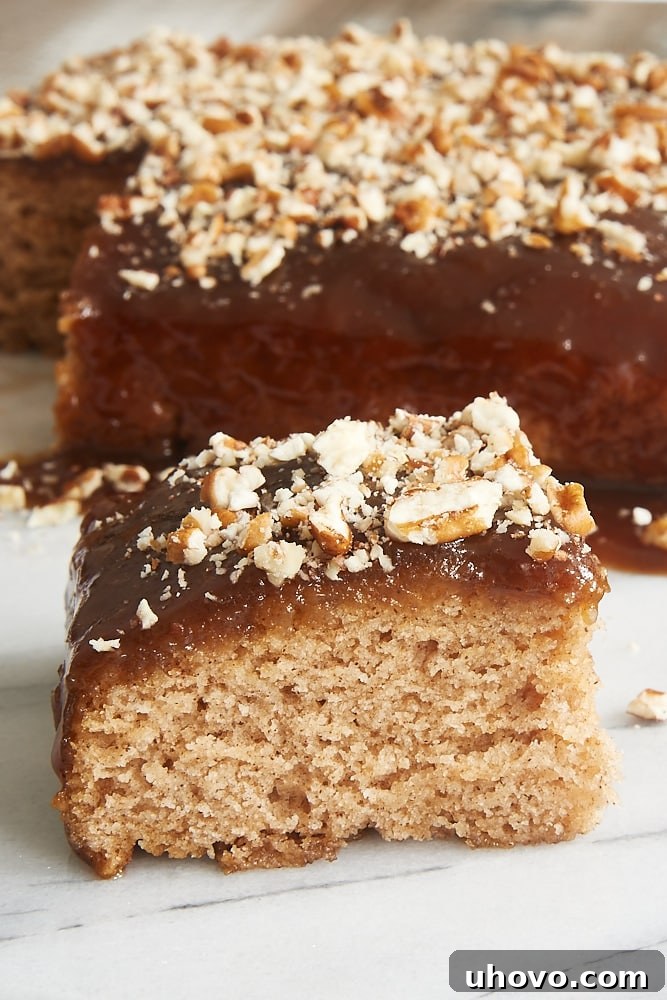
Welcome to the enchanting world of self-saucing desserts, where baking truly feels like magic! The Cinnamon Pudding Cake is a stellar example of this culinary wonder, delivering both a fluffy cake and a rich, gooey sauce from a single pan, baked simultaneously. This remarkable dessert promises an ultra-moist cake, generously spiced with warming cinnamon, crowned with an irresistible caramel-like topping. It’s the ultimate comfort food, perfect for any occasion, and surprisingly simple to prepare.
Effortlessly Delicious: The Easy Cinnamon Pudding Cake
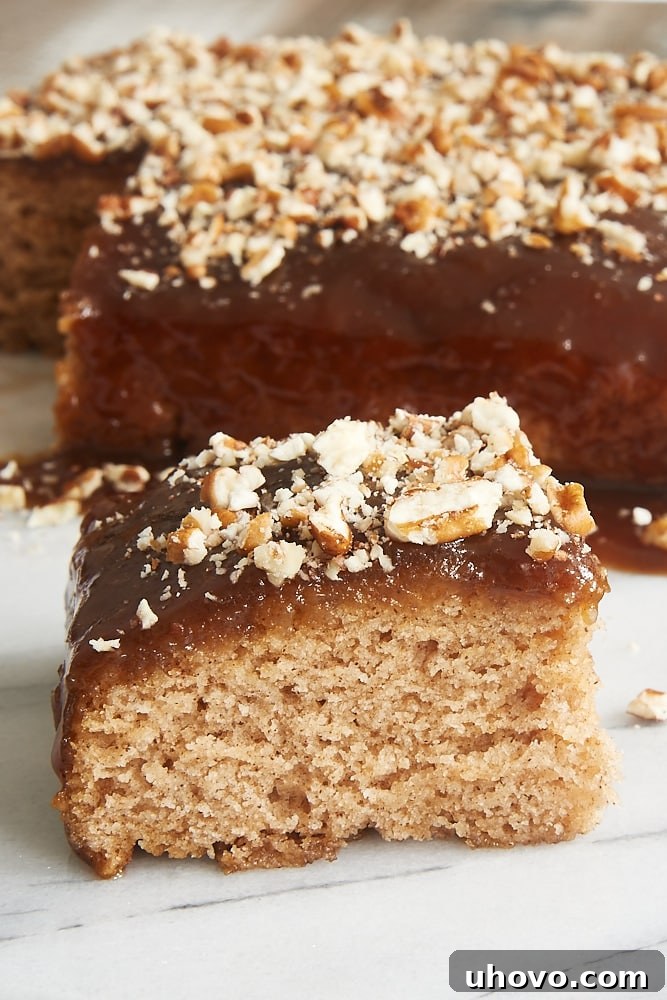
Baking is often described as a science, yet certain recipes undeniably possess an element of pure magic. Pudding cakes are precisely one of those delightful mysteries. Imagine pouring a simple cake batter and a generous amount of liquid into a baking pan. Place it into a warm oven, and within minutes, a wondrous transformation begins. What emerges is not just a perfectly baked, moist cake, but also a luscious, caramel-like sauce that has mysteriously formed at the bottom, creating a decadent topping once inverted. This captivating process makes the Cinnamon Pudding Cake an absolute showstopper and a testament to the marvels of home baking.
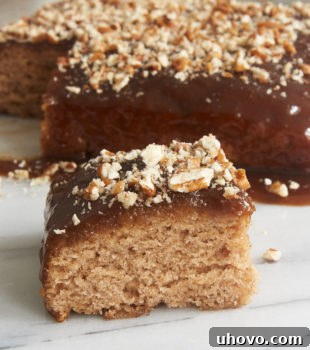
Our Cinnamon Pudding Cake recipe elevates this magical experience with a substantial infusion of aromatic cinnamon, guaranteeing a cozy, inviting flavor in every bite. The cake itself is incredibly tender and moist, while the molten topping provides a warm, sweet contrast. We’ve also added an optional sprinkle of toasted nuts, offering a delightful crunch and nutty depth that perfectly complements the soft cake and silky sauce. The resulting flavor profile is simply wonderful, and the textural interplay between the soft cake, gooey topping, and crisp nuts is equally captivating.
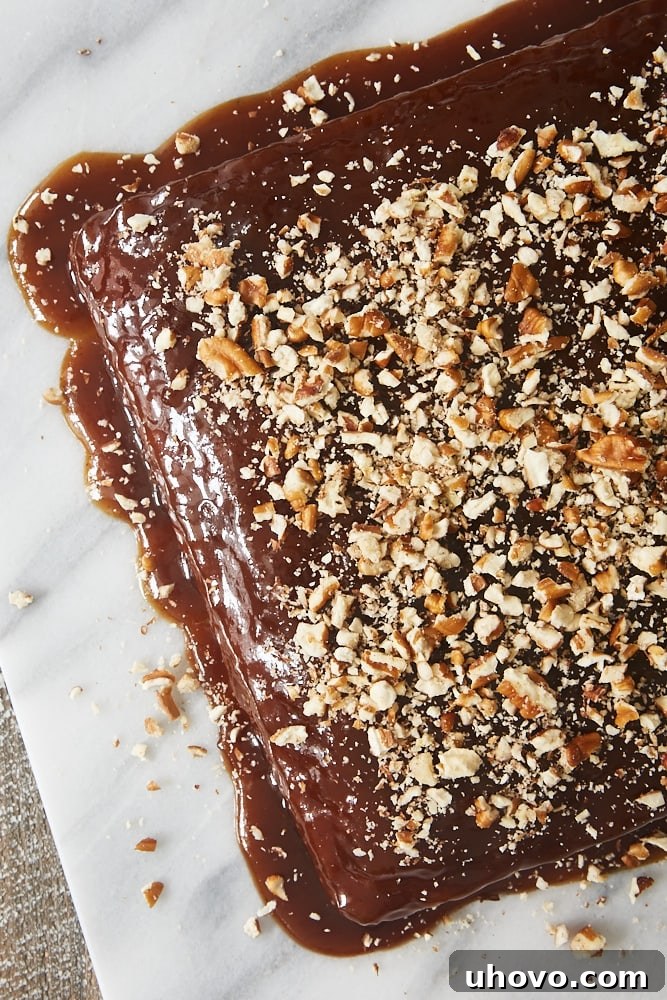
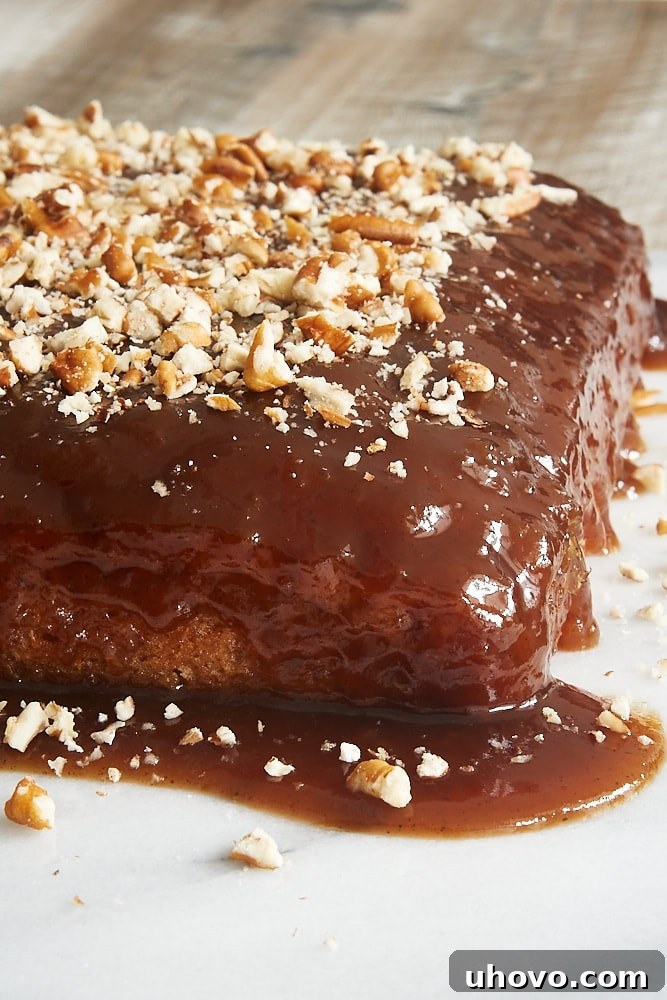
While I’ve baked many variations of pudding cakes over the years, including my personal favorite brownie pudding cake, they are traditionally served by scooping the cake and sauce directly from the pan. This particular Cinnamon Pudding Cake recipe introduces a slight twist, instructing you to invert the cake onto a serving platter after a brief cooling period. This innovative method allows the rich, caramel-like sauce, which forms beneath the cake during baking, to cascade over the top, creating a stunning presentation that’s also much easier to portion and serve. It’s both visually appealing and incredibly practical, making it ideal for entertaining or a special family treat.
When you first combine the cake batter and pour the seemingly excessive liquid topping over it, you might feel a touch of skepticism. The mixture in the pan may appear too fluid, making it hard to believe it will transform into the beautiful, structured cake you see in the images. However, rest assured that this unique, “sloshy” concoction will, through the alchemy of the oven, magically morph into an utterly delectable cake with its own glorious topping. Take the leap and try this recipe, and you too will undoubtedly become a firm believer in the delightful magic of self-saucing pudding cakes!
Essential Ingredients for Your Cinnamon Pudding Cake
Crafting this incredible self-saucing cake requires a few pantry staples and a good eye for quality ingredients, especially when it comes to the star of the show: cinnamon. Below is a detailed breakdown of what you’ll need. For precise ingredient quantities and full recipe instructions, please refer to the complete recipe card at the end of this article.
For the Irresistible Topping:
- Light brown sugar – This is key for developing that rich, caramel-like flavor and color in the sauce. Its molasses content adds depth and moisture that granulated sugar simply can’t replicate. If you’re curious about the nuances, delve deeper into the topic: Light Brown Sugar vs Dark Brown Sugar: What’s the Difference?
- Water – The liquid base for our self-saucing magic. It combines with the brown sugar and butter to create the luxurious topping.
- Unsalted butter – Essential for richness and flavor. Using unsalted butter allows you to control the overall saltiness of your dessert. This is a fundamental principle in baking. Learn more about why it matters: Unsalted or Salted Butter: Which is Better for Baking?
- Salt – A small but mighty ingredient that balances the sweetness and enhances all the other flavors in the topping, preventing it from being overly sugary.
For the Moist and Flavorful Cake:
- All-purpose flour – The structural foundation of our cake. Ensure you measure it correctly for the best texture. Here’s a quick guide on how to measure flour accurately to avoid a dense cake.
- Baking powder – Our leavening agent, responsible for the cake’s light and airy crumb. Make sure your baking powder is fresh for optimal lift.
- Ground cinnamon – The undisputed star of this dessert! The quality of your cinnamon will profoundly impact the cake’s flavor. Opt for a vibrant, assertive cinnamon that hasn’t been sitting in your spice cabinet for ages. If it smells faint, it’s time for a fresh jar to ensure that comforting, warm spice flavor shines through and doesn’t get lost within the cake. A good quality cinnamon can transform a good cake into an extraordinary one.
- Salt – Just like in the topping, salt in the cake batter enhances the overall flavor, balancing the sweetness and making the cinnamon notes more pronounced.
- Unsalted butter – Used in the cake for richness and tenderness. It’s crucial that your butter is softened to room temperature, which allows it to cream smoothly with the sugar, creating a light and fluffy base for the batter.
- Granulated sugar – Provides sweetness and helps create a tender crumb when creamed with butter.
- Milk – Adds moisture and richness to the cake. For the most decadent results, whole milk is generally recommended in baking.
- Vanilla extract – A classic flavor enhancer that complements cinnamon beautifully. Whether it’s store-bought or your own homemade vanilla extract, ensure it’s good quality for the best aroma and taste.
- Pecans – These are an optional, but highly recommended, addition for garnish. They add a lovely toasted, nutty flavor and a satisfying textural contrast. If you plan to chop them, save money by buying pecan pieces instead of whole pecans.
How to Toast Pecans for Enhanced Flavor
Toasting nuts is a simple step that dramatically deepens their flavor and aroma, adding another layer of deliciousness to your Cinnamon Pudding Cake. There are two primary methods for toasting pecans:
- Oven Method (Preferred): This is arguably the easiest and most hands-off approach. Spread your pecans evenly in a single layer on a baking sheet. Bake them in a preheated 350ºF (175°C) oven for 5 to 10 minutes. Keep a close eye on them, stirring once or twice during the baking time to ensure even toasting and prevent burning. They are done when they become fragrant and are lightly golden brown.
- Stovetop Method: If you prefer to toast smaller batches or don’t want to turn on your oven, a skillet on the stovetop works well. Heat a dry skillet over medium heat. Add the nuts and stir them constantly. This continuous movement is vital to prevent scorching. The pecans are ready when they release a fragrant, nutty aroma and show slight browning, typically within 3-5 minutes.
Regardless of the method, remember that nuts can go from perfectly toasted to burnt very quickly, so vigilance is key!
Step-by-Step Guide: Crafting Your Cinnamon Pudding Cake
This delightful dessert is best enjoyed warm, ideally made just before serving or at least on the same day you plan to savor it. Here’s a comprehensive guide to bringing this magical cake to life:
- Step 1: Prepare Your Workspace and Pan. Begin by preheating your oven to a precise 350°F (175°C). Then, generously grease an 8-inch square baking pan. Don’t be shy with the greasing; this will ensure a clean release of the cake and its delicious sauce. A baking spray with flour is highly recommended for its non-stick properties.
- Step 2: Prepare the Enchanting Sauce. In a small saucepan, combine the light brown sugar, water, unsalted butter, and a pinch of salt. Place the saucepan over medium-high heat. Bring the mixture to a gentle boil, stirring occasionally to dissolve the sugar and incorporate the butter. Once boiling, remove the saucepan from the heat and set the topping mixture aside to cool slightly. It’s important for it to not be piping hot when poured over the batter.
- Step 3: Combine the Dry Cake Ingredients. In a medium-sized mixing bowl, whisk together the all-purpose flour, baking powder, ground cinnamon, and the remaining salt. Whisking ensures these ingredients are evenly distributed throughout the batter, which is crucial for uniform texture and flavor. Set this mixture aside.
- Step 4: Cream the Butter and Sugar for the Cake. In a separate, larger mixing bowl, use an electric mixer on medium speed to beat the softened unsalted butter and granulated sugar together. Continue beating until the mixture becomes light, fluffy, and noticeably pale in color. This step incorporates air, which contributes to the cake’s tender texture.
- Step 5: Finish Preparing the Cake Batter. Reduce your electric mixer speed to low. Gradually add the dry ingredient mixture (from Step 3) to the butter and sugar mixture in three alternating portions, interspersing with two portions of milk. Incorporate the vanilla extract along with the first portion of milk. Mix just until all ingredients are combined and no streaks of flour remain. Be careful not to overmix, as this can lead to a tough cake.
- Step 6: Assemble the Pudding Cake. Carefully transfer the prepared cake batter into your generously greased 8-inch square baking pan. Use a spatula to spread the batter evenly across the bottom of the pan. Once the batter is spread, gently pour the cooled topping mixture directly over the cake batter. It will look like a lot of liquid, but trust the process!
- Step 7: Bake to Perfection. With extreme care, place the pan into your preheated oven. Be mindful that the pan will contain a significant amount of liquid. Bake for approximately 45 to 50 minutes. The cake is ready when the center is set, and a gentle shake of the pan reveals no jiggling. A skewer inserted into the cake part (avoiding the sauce) should come out with moist crumbs, not wet batter.
- Step 8: Cool and Invert. Once baked, remove the cake from the oven and place the pan on a wire rack to cool for precisely 15 minutes. This cooling period is critical for the cake to firm up sufficiently and for the sauce to settle. After 15 minutes, carefully invert the cake onto a serving platter. If any of the delicious topping remains stuck to the bottom of the pan, simply scrape it out with a spatula and smooth it over the top of the cake.
- Step 9: Serve and Enjoy. If desired, sprinkle the toasted pecans over the top of the cake for added texture and flavor. The Cinnamon Pudding Cake is truly exceptional when served warm, allowing the sauce to be beautifully gooey. It can also be enjoyed at room temperature.
Expert Tips for Cinnamon Pudding Cake Success
While this cake is remarkably simple to make, a few insider tips can ensure your baking experience is as smooth and successful as possible. (For broader baking fundamentals, don’t forget to review our essential baking tips for beginners!)
- Grease Your Pan Thoroughly: This is not the time to be conservative with your greasing. A generous layer of cooking spray or butter, especially in the corners and along the sides of the pan, is crucial. Remember, there’s a significant amount of sticky, caramel-like sauce that will be forming at the bottom, and you want to ensure it releases cleanly when you invert the cake. Using a baking spray that contains flour, such as Baker’s Joy or Pam Baking, can provide an extra layer of non-stick security.
- Opt for a Light-Colored Baking Pan: The choice of bakeware can significantly impact your results. Darker pans absorb and retain heat more intensely than light-colored pans. This can lead to over-baking the edges of your cake and, more critically for a pudding cake, causing the delicate caramel topping to stick stubbornly to the bottom of the pan. A light-colored metal pan promotes more even baking and a gentler caramelization process, ensuring an easier release.
- What if Sauce Remains in the Pan After Inverting? It’s a common occurrence – sometimes a small amount of that glorious sauce might not freely release when you flip the cake onto your serving platter. Don’t fret! The sauce should still be warm and pliable. Simply use a heat-resistant spatula or spoon to scrape any remaining sauce from the bottom of the pan. Gently spread this extra topping over the cake. This easy fix ensures every drop of that delectable caramel is enjoyed and maintains the cake’s beautiful presentation.
- The Importance of Resting Time: Don’t rush the cooling period! The 15 minutes of cooling in the pan before inverting is crucial. This allows the cake’s structure to set and the liquid topping to thicken into that perfect, gooey caramel sauce. Inverting too soon might cause the cake to break apart or the sauce to be too runny. Set a timer to be precise.
- Choose Your Cinnamon Wisely: As mentioned, cinnamon is the hero here. A fresh, high-quality cinnamon will impart a rich, warm, and inviting flavor. If your cinnamon has been in the pantry for years, its potency will have significantly diminished. A quick sniff test can tell you if it’s time to replace it.
Inspired Serving Suggestions
The beauty of Cinnamon Pudding Cake lies in its completeness – it truly doesn’t need much else to shine, especially if you’ve added the optional toasted pecans for that extra crunch. However, if you’re looking to elevate the experience further or offer a contrasting element, here are a few delightful serving suggestions:
- Classic Vanilla Ice Cream: A warm slice of Cinnamon Pudding Cake, with its molten caramel sauce, paired with a scoop of cold, creamy vanilla bean ice cream is a divine combination. The warm and cold contrast, along with the mingling of flavors, creates an unforgettable dessert experience. The ice cream slowly melts into the warm sauce, forming an even richer indulgence.
- Sweetened Whipped Cream: A generous dollop of sweetened whipped cream provides a lighter, airy complement to the rich cake and sauce. The delicate sweetness and smooth texture offer a perfect balance without overpowering the cinnamon notes. You can also add a hint of vanilla or a dash of cinnamon to your whipped cream for extra flavor.
- A Dusting of Powdered Sugar: For a simple yet elegant touch, a light dusting of powdered sugar over the top of the cake can add a visually appealing finish and a subtle extra layer of sweetness.
- Fresh Berries: While perhaps less traditional, a handful of fresh raspberries or sliced strawberries can introduce a lovely tartness that cuts through the richness of the cake and sauce, offering a refreshing counterpoint.
- A Warm Beverage: Serve your Cinnamon Pudding Cake alongside a comforting cup of coffee, a warm chai latte, or a spiced apple cider. The pairing of warm drinks with a warm dessert creates an ultimate cozy experience, especially on a chilly evening.
Storing Your Cinnamon Pudding Cake
To keep your delicious Cinnamon Pudding Cake fresh and flavorful, proper storage is key. This cake is quite moist due to its self-saucing nature, which helps it stay enjoyable for a few days.
- Refrigeration: Any leftover cake should be covered tightly with plastic wrap or transferred to an airtight container. Store it in the refrigerator for up to 4 days. The sauce will firm up slightly when chilled, but it will regain its gooey texture upon reheating.
- Reheating: For the best experience, gently reheat individual slices. You can warm them briefly in the microwave until just heated through, or for a few minutes in a low-temperature oven (around 250°F / 120°C) until the sauce is melty and the cake is warm. Avoid overheating, which can dry out the cake.
Can This Cinnamon Pudding Cake Be Frozen?
While technically possible to freeze, the Cinnamon Pudding Cake is not an ideal candidate for freezing if you’re aiming for the exact same texture and appearance as when it’s freshly baked. The unique self-saucing quality, where the sauce is gooey and distinct from the cake, can be compromised during the freezing and thawing process.
- Texture Changes: The sauce, in particular, may become slightly grainier or separate a bit upon thawing, and the cake’s ultra-moist crumb might become a little denser.
- Appearance: The fresh, appealing look of the cake, especially the glossy sauce, might also be affected.
- If You Must Freeze: If you absolutely need to freeze this cake, ensure it is completely cooled first. Then, transfer it to an airtight, freezer-safe container to protect it from freezer burn. Properly stored, it should keep for up to 2 months. However, be prepared for potential changes in texture and presentation upon thawing and reheating. It’s often best to enjoy this magical dessert fresh!
Explore More Irresistible Pudding Cake Recipes
If you’ve fallen in love with the enchanting simplicity and delicious results of this Cinnamon Pudding Cake, you’ll be thrilled to discover other variations of this magical dessert. Self-saucing cakes come in many delightful forms, each offering its own unique flavor profile and comforting experience. Here are a few more pudding cake recipes to inspire your next baking adventure:
Cinnamon Pudding Cake
Ingredients
For the topping:
- 1 ⅛ cups (225 g) firmly packed light brown sugar (1 cup plus 2 tablespoons)
- ¾ cup (180 ml) water
- 1 tablespoon unsalted butter
- ¼ teaspoon salt
For the cake:
- 2 cups (240 g) all-purpose flour
- 2 teaspoons baking powder
- 2 ½ teaspoons ground cinnamon
- ½ teaspoon salt
- 2 tablespoons unsalted butter, softened
- 1 cup (200 g) granulated sugar
- 1 cup (240 ml) milk
- 1 teaspoon vanilla extract
- ½ cup (60 g) roughly chopped toasted pecans, optional
Recommended Products
-
USA Pan Bakeware Square Cake Pan, 8 inch
-
Half Sheet Nonstick Cooling Rack
Instructions
To make the topping:
-
Preheat oven to 350°F (175°C). Generously grease an 8-inch square baking pan.
-
Combine the brown sugar, water, butter, and salt in a small saucepan. Bring to a boil over medium-high heat, stirring occasionally.
-
Set aside to cool.
To make the cake:
-
Whisk together the flour, baking powder, cinnamon, and salt. Set aside.
-
Using an electric mixer on medium speed, beat the butter and sugar until light and fluffy.
-
Reduce mixer speed to low. Add the flour mixture in 3 portions, alternating with 2 portions of milk. Add the vanilla with the first portion of milk. Mix just until combined.
-
Transfer the batter to the prepared pan, and spread evenly.
-
Pour the topping mixture over the batter.
-
Carefully transfer the pan to the oven. (The pan will be very full of liquid.) Bake for 45 to 50 minutes, or until the cake is set. The center of the cake should not jiggle when the pan is gently shaken.
-
Cool the cake in the pan on a wire rack for 15 minutes.* Then, invert the cake onto a serving platter. If any topping remains in the bottom of the pan, simply scrape it onto the cake and smooth the top.
-
If desired, sprinkle pecans over the top of the warm cake. Serve warm or at room temperature.
Video
Notes
- *This cooling time is fairly exact for the best results removing the cake from the pan, so be sure to set a timer.
- Recipe slightly adapted from Cake Keeper Cakes.
- Store in an airtight container in the refrigerator up to 4 days. Reheat for serving.